In short
- Visit Celestún from November to March.
- Visit Rio Lagartos from April to October.
- Celestún is closer to Mérida (1 hour 30 minutes).
In this article
Choosing between the Celestun Biosphere Reserve and Rio Lagartos comes down to timing and location. The flamingos migrate between the two reserves based on breeding and feeding patterns. Knowing these seasons ensures you see the largest flocks.
When should you visit Celestun vs Rio Lagartos?
Visit Celestún in the winter and Rio Lagartos in the spring and summer.
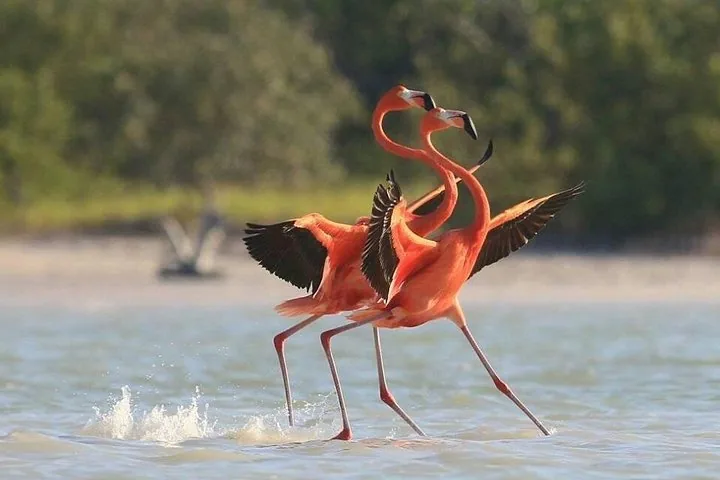
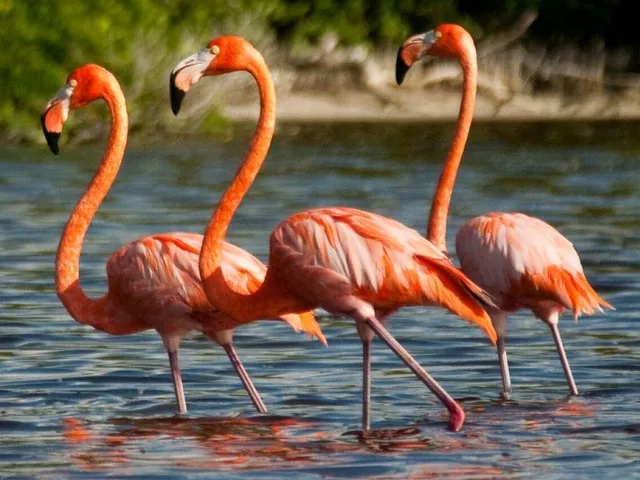
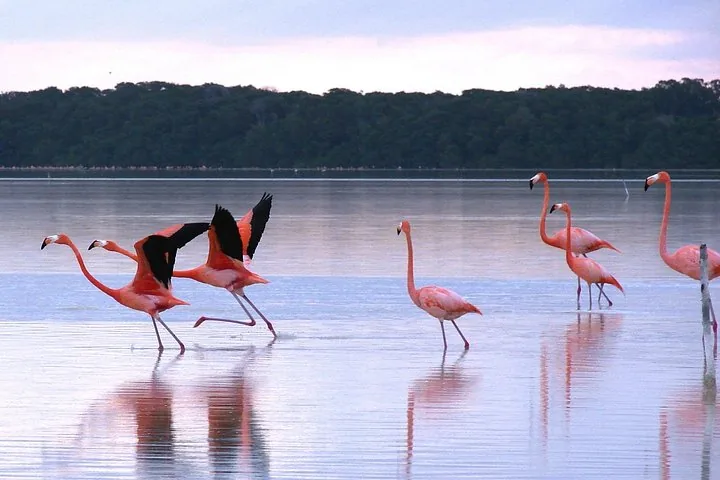
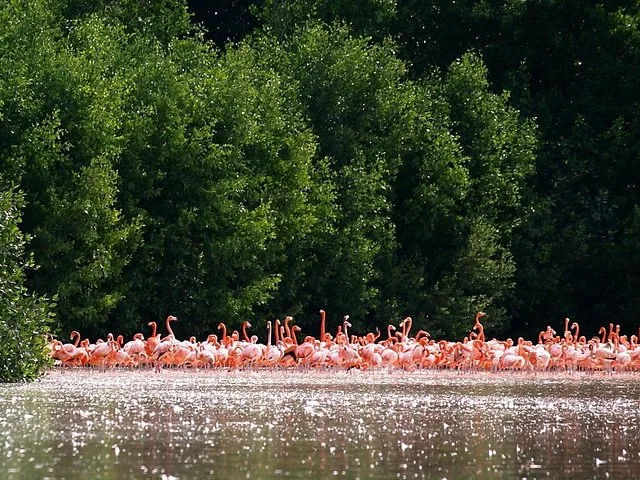
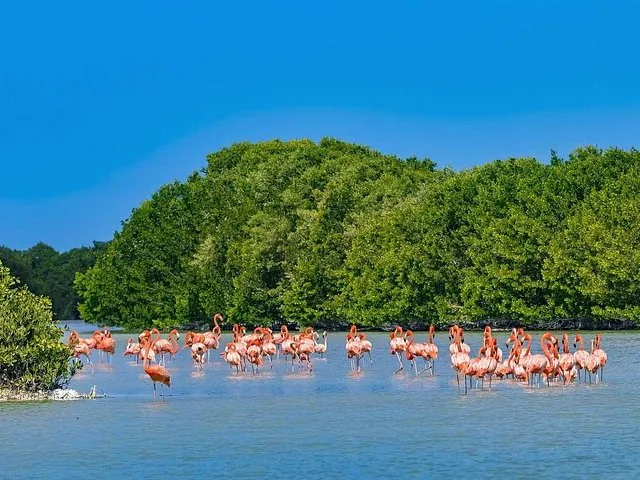
The peak flamingo viewing season in Celestún runs from mid-November to early March. During these months, thousands of birds flock to the Celestún estuary to feed in the shallow waters. If you visit outside this window, flamingo numbers drop significantly.
Conversely, Rio Lagartos is the primary breeding ground. The birds migrate there for the spring and summer. The best time to visit Rio Lagartos is between April and October.
Which reserve is closer to Merida?
Celestún is much closer to Mérida than Rio Lagartos.
Celestún is located approximately 95 kilometers (59 miles) west of Mérida. Driving takes about 1 hour and 30 minutes on Highway 281. This makes it an easy half-day or full-day trip from the city.
Rio Lagartos is on the northern coast, about 220 kilometers from Mérida. Driving takes roughly 2.5 to 3 hours, making it a much longer day trip. It is closer to Valladolid, which is about 1.5 hours away.
| Feature | Celestún | Rio Lagartos |
|---|---|---|
| Best Season | Mid-Nov to Early March | April to October |
| Distance from Mérida | 95 km (1.5 hours) | 220 km (2.5+ hours) |
| Main Activity | Feeding grounds | Breeding grounds |
What is the boat tour experience like?
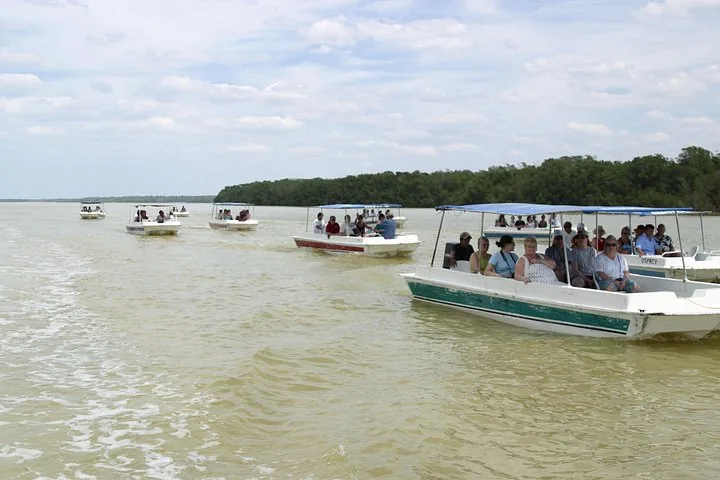
Both reserves require guided boat tours to see the flamingos.
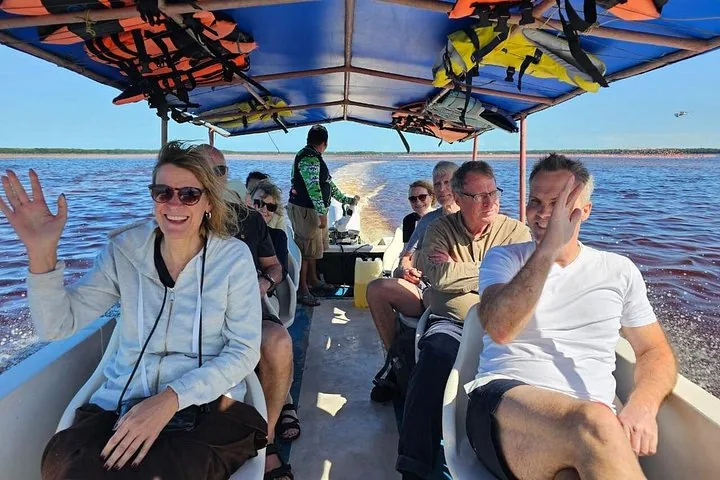
In Celestún, boat tours depart from the Parador Turístico or the beach. The standard tour lasts 1.5 to 2 hours. The boats accommodate up to 6 passengers and cost 3,026 MXN per boat at the official visitor center. Guides maintain a respectful distance from the feeding flocks.
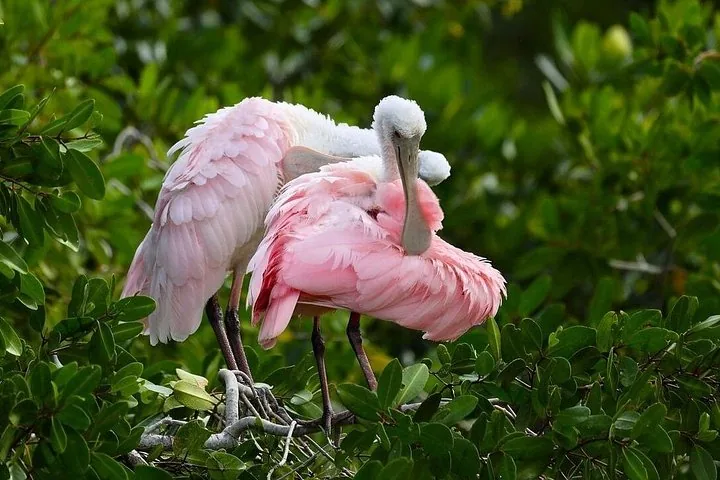
Rio Lagartos operates similarly, with small motorized boats navigating the estuary. Both tours provide a chance to see mangroves, crocodiles, and various bird species.
Are the landscapes different?
Celestún features freshwater springs, while Rio Lagartos is near pink salt lakes.
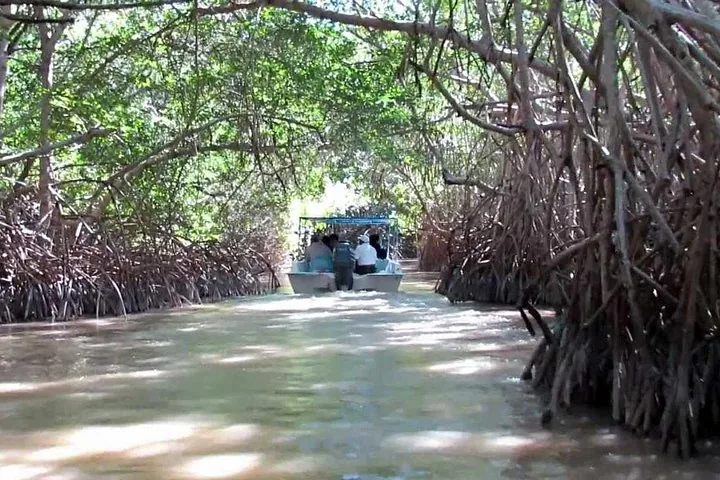
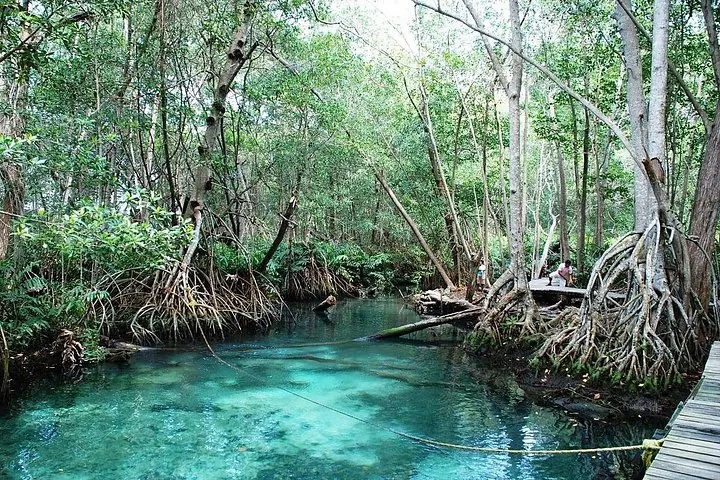
In Celestún, a highlight of the boat tour is the mangrove tunnels. Visitors stop at "ojos de agua," natural freshwater springs where you can swim in crystal-clear water.
Rio Lagartos is famous for its proximity to Las Coloradas. These are striking pink salt evaporation ponds. However, swimming is not allowed in the pink lakes.
Which is better for kids?
Both are family-friendly, but Celestún involves less driving if staying in Mérida.
Because the drive to Celestún is shorter from Mérida, it is often easier for families with young children. The boat rides in Celestún depart from the bridge, offering calm waters in the estuary. The chance to swim in the freshwater springs is also a hit with kids.
Visit with childrenCan you see flamingos year-round at either reserve?
You might see small numbers year-round, but peak seasons are distinct.
While some resident flamingos may stay behind, the vast majority migrate. If you visit Celestún in July, you might only see a handful of birds, or none at all. Always align your visit with the correct season for the best experience.
Questions travellers ask
Why are the flamingos pink?
The flamingos get their color from their diet. In Celestún, they feed on Artemia salina crustaceans in the brackish waters, which contain pigments that turn their feathers pink.
How much is the entrance fee in Celestún?
The official biosphere protected-area entrance fee is approximately 120 MXN per person.
Can I take a bus to Celestún?
Yes. A second-class bus from Mérida's Terminal Noreste takes about 2 hours and 30 minutes and costs 100-200 MXN.