In short
- Peak flamingo season runs from mid-November to early March.
- The reserve is open for boat tours year-round.
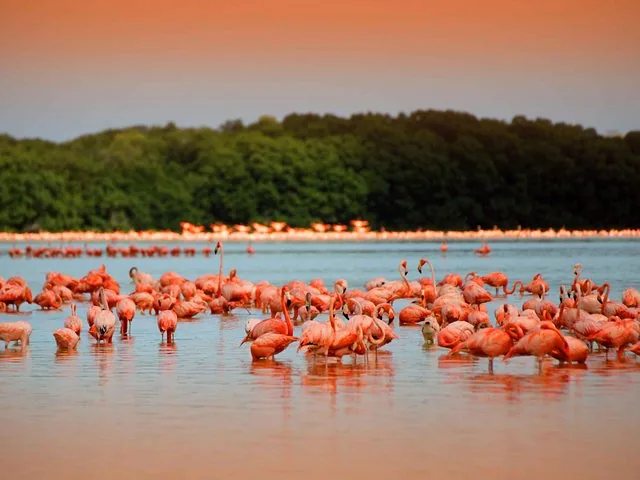
- Winter brings thousands of flamingos to the estuary to feed.
In this article
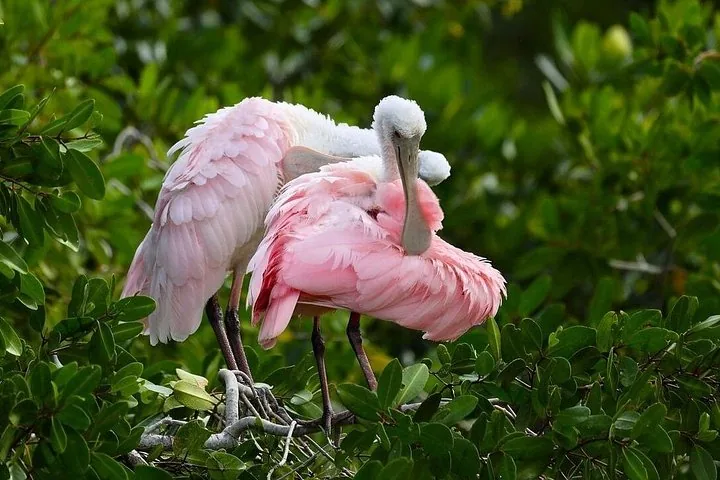
Timing your visit correctly guarantees the best chance to see thousands of pink flamingos in the wild. The Celestun Biosphere Reserve welcomes these birds primarily during the drier winter months. During this time, the estuary offers abundant food.
When is the Celestun flamingo season?
The peak flamingo viewing season runs from mid-November to early March.
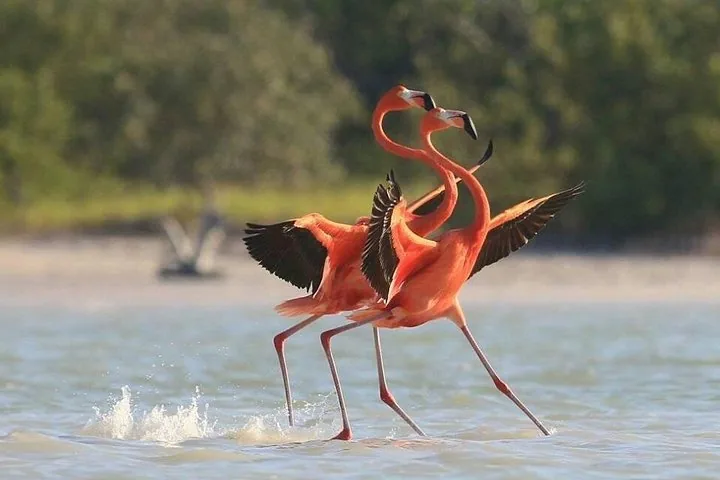
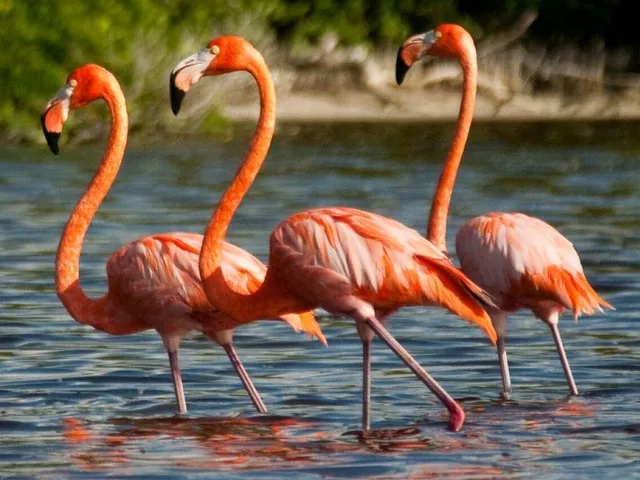
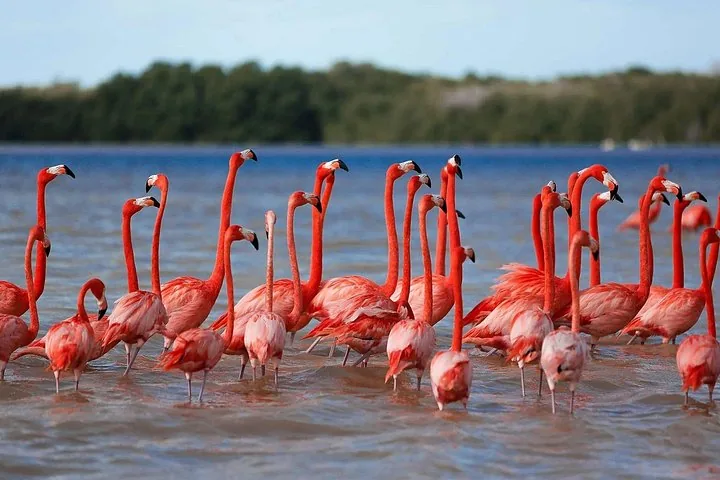
During these winter months, thousands of flamingos migrate to the coastal wetlands of Celestún to feed. The shallow estuary provides the perfect conditions for them to gather in massive colonies. By April, most flamingos begin migrating away to nest in other areas of the Yucatán Peninsula.
Can you see flamingos in Celestun year-round?
Yes, but flamingo numbers are much lower outside of the winter months.
While the reserve is open all year, flamingo sightings are not guaranteed from late spring through fall. The absolute lowest numbers occur in September. If you visit outside the peak season, you will still see some resident flamingos and many of the other 300 bird species that inhabit the reserve.
| Months | Flamingo Sighting Chance |
|---|---|
| January - February | Very High |
| March | High |
| April - August | Low |
| September | Very Low |
| October | Low |
| November - December | High to Very High |
Why do flamingos migrate to Celestún?
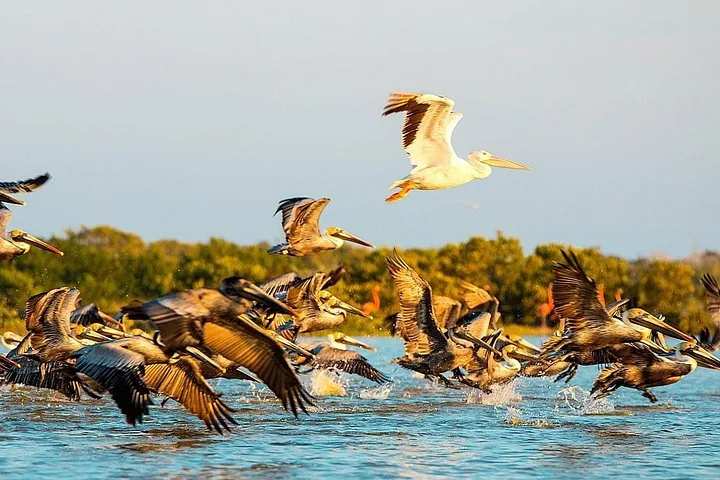
Flamingos come to Celestún to feed on crustaceans in the shallow estuary.
The Celestun Biosphere Reserve spans 81,000 hectares where freshwater springs mix with saltwater from the Gulf of Mexico. This brackish water supports high populations of Artemia salina, a small crustacean. Flamingos eat these crustaceans in large quantities during the winter, which is what gives their feathers a bright pink color.
What time of day is best for a boat tour?
Morning departures generally offer the calmest waters and active bird behavior.
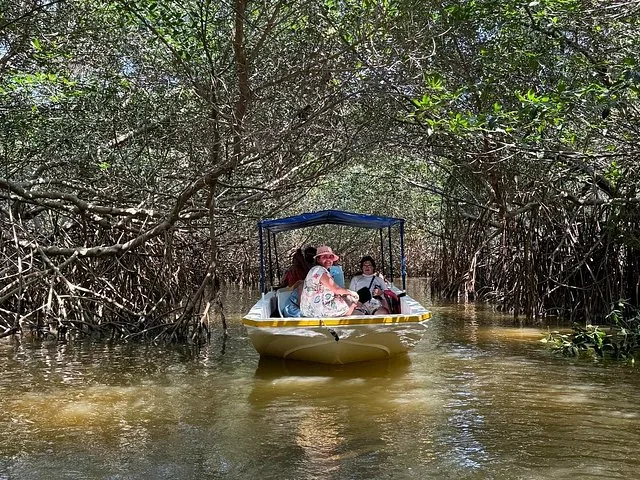
Most standard boat tours last between 1.5 and 2 hours. If you book a guided day trip from Mérida, departures usually take place between 7:00 AM and 9:00 AM. Arriving early at the Parador Turístico near the bridge helps you avoid peak crowds and midday heat.
What should you pack for a winter boat tour?
Bring a light windbreaker, binoculars, and sun protection.
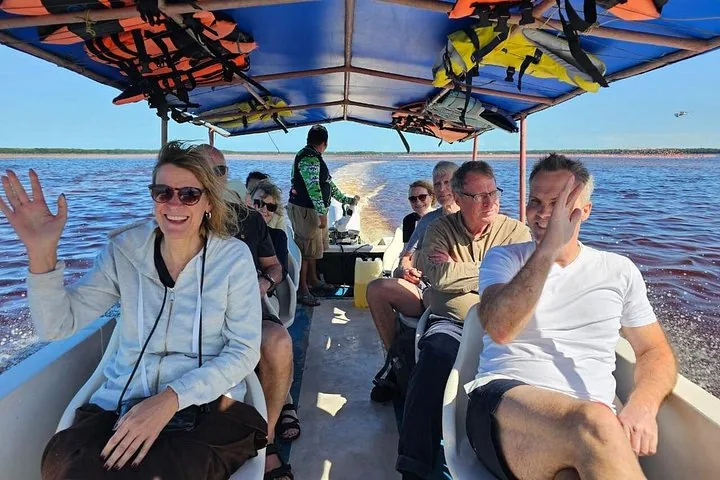
- Light windbreaker: The 1.5 to 2-hour boat ride can be breezy during the winter months.
- Camera and binoculars: Guides keep boats at a distance so as not to disturb the feeding birds, so an optical zoom is essential.
- Sun protection: Pack a sun hat, sunglasses, and biodegradable sunscreen.
Are tours canceled if flamingos leave early?
Tours operate year-round regardless of flamingo numbers, as the reserve features other attractions.
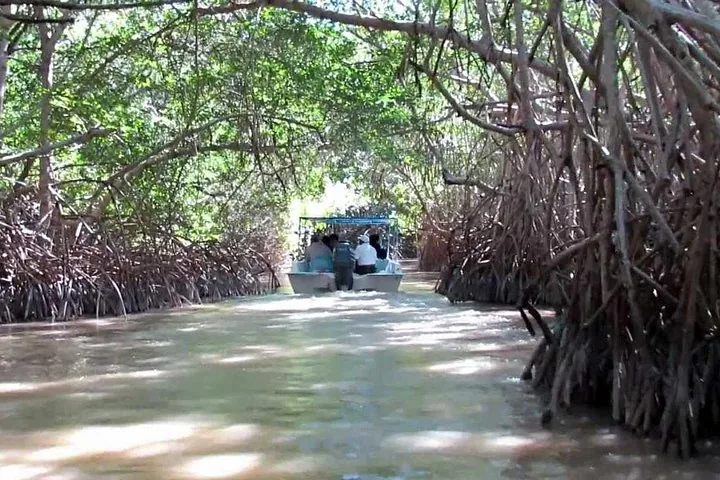
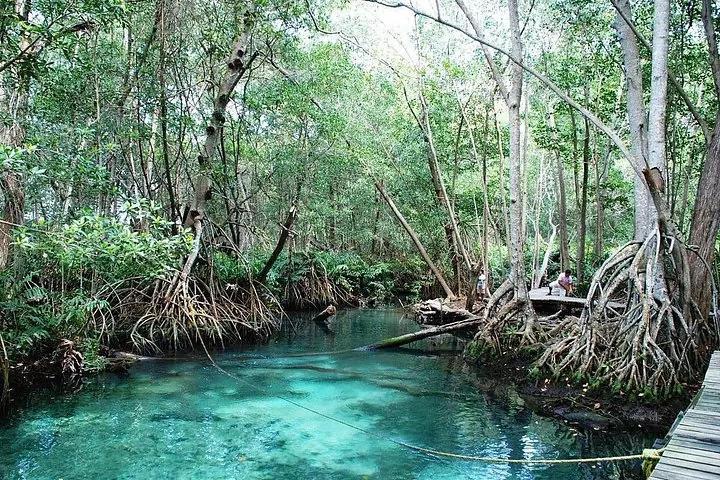
Even if the main flamingo colonies migrate away early, boat operators still run tours through the mangroves. You will visit Bird Island, explore the dense mangrove tunnels, and stop at a designated freshwater spring called an ojo de agua where you can swim.
Questions travellers ask
Is Celestun Biosphere Reserve worth visiting?
Yes, especially between mid-November and early March. The reserve covers over 81,000 hectares. It hosts thousands of pink flamingos, over 300 bird species, and freshwater springs.
Where do the boat tours in Celestun leave from?
You can hire a motorized lancha at the official Parador Turístico by the bridge, or directly from Celestún beach. Bridge departures offer calmer waters.
How long is the boat ride in Celestun?
The standard motorized boat tour lasts approximately 1 hour and 30 minutes to 2 hours. This takes you through the estuary and into the mangrove tunnels.